
This has been bothering me for a while, and it’s finally tipped over from background noise into something I can’t ignore.
Ragebait isn’t new. Sensationalism isn’t new. People twisting stories for attention has been around as long as people have been selling newspapers on street corners.
What is new is how little effort it now takes to fake something that looks, sounds, and feels real enough to pass without question.
That’s the part that should worry anyone who still thinks truth matters.
The Commentary Video Con
I see it most often in commentary videos (presenters who can’t think of anything new to say so they chop up other people’s content). Someone lifts clips from an old interview, something that was probably genuine at the time, then builds a whole narrative around it. They pause the footage. Zoom in. Replay a sentence. Shake their head. Offer knowing looks. Present themselves as the one brave soul cutting through the nonsense.
But every so often, something seems off.
- A word lands slightly late.
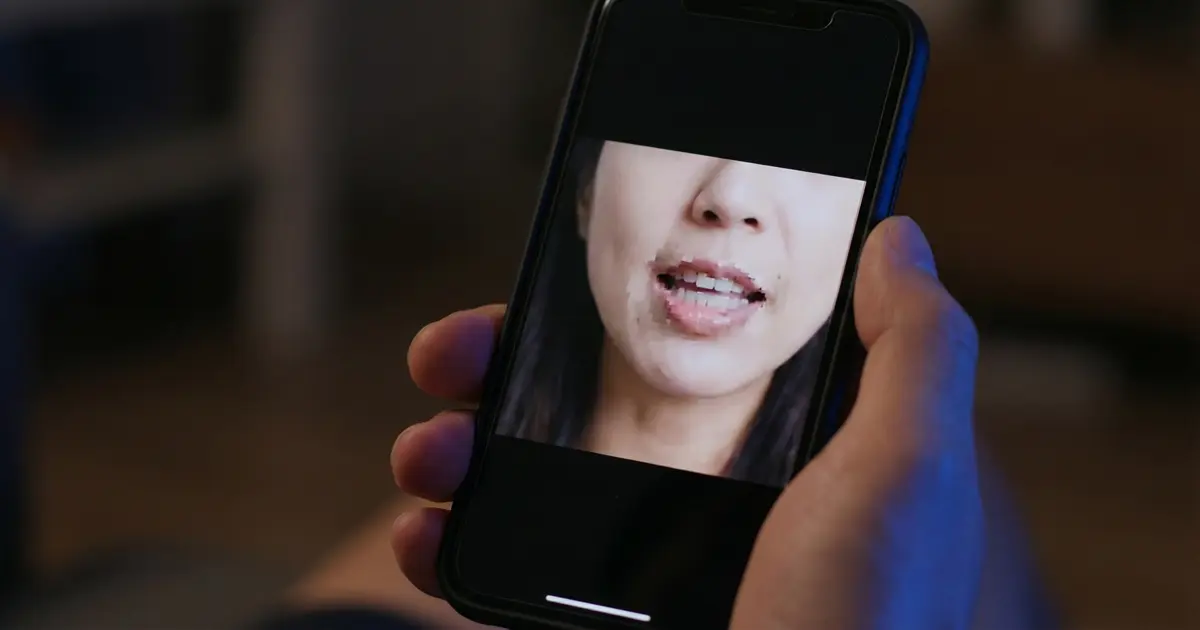
- A mouth shape doesn’t quite fit the sound.
- The rhythm feels wrong, but only just.
Enough that your brain twitches, not enough that you can point to a smoking gun. And once you’ve noticed that, you can’t un-notice it.
That’s when the question creeps in. Was this overdubbed? Has the original audio been replaced with AI-generated speech that sounds identical to the speaker, but nudges the meaning just enough to justify the outrage that follows?
The Tech Is Already Here
The technology is there. Anyone pretending otherwise is lying or hasn’t been paying attention. Voice cloning is cheap, fast, and frighteningly accurate. Matching it closely enough to lip movement is no longer a dark art reserved for Hollywood studios. It’s within reach of anyone chasing views and not too fussed about integrity.
And let’s not kid ourselves about motives. A lot of people creating this type of content are not in the truth business. They’re in the watch time business. They need you angry, suspicious, and glued to the screen for twenty minutes while they “analyse” something they may have quietly altered to fit their angle.
Platforms Reward the Outrage
Platforms like YouTube reward exactly this behaviour. Calm uncertainty doesn’t perform. Saying “we can’t be sure this clip is authentic” doesn’t keep people watching. Declaring that you’ve uncovered something explosive does.
The danger isn’t just that fake clips exist. It’s that they’re being layered on top of things we already recognise.
- Familiar faces.
- Familiar voices.
- Familiar interviews.
That familiarity lowers our guard. We assume authenticity because we’ve seen the source material before, even if what we’re watching now is a subtly rewritten version of it.
Once the commentary is out there, it becomes the artefact people react to. Not the original interview. Not the full context. The reaction video becomes the truth proxy. It spreads faster. It gets clipped. It gets quoted. Any doubt about the underlying material is drowned out by confidence and certainty.
You Can’t Prove a Damn Thing
And here’s the grim bit. Even when you suspect manipulation, you’re stuck. Without access to original files or broadcast feeds, you can’t prove much of anything. That uncertainty works in favour of the creator. Plausible deniability does the rest. Compression artefacts. Editing choices. Technical glitches.
There’s always an excuse ready.
So yes, ragebait and misleading content are everywhere. But what’s changed is the cost of dishonesty. It’s dropped to almost nothing. Meanwhile, the cost of being careful, sceptical, and honest keeps rising. Time, effort, and attention are all in short supply.
We’re drifting into a place where hearing someone say something, in their own voice, on video, is no longer evidence of anything. That should make us uncomfortable. It should slow us down. It should make us far more suspicious of anyone claiming to be the final authority on what a clip “really proves”.
Because the uncomfortable truth is simple. Most of the time now, we don’t actually know. And the people shouting the loudest are often the ones least interested in admitting that.
FAQs about Deep Fake – ‘cos I know You Skimmed
What is ragebait content?
Ragebait is content deliberately designed to provoke anger and emotional reactions to drive engagement. It often uses misleading clips, manipulated context, or exaggerated claims to keep viewers watching and sharing.
How accurate is AI voice cloning technology?
Modern AI voice cloning is extremely accurate and affordable, capable of replicating someone’s voice with just a few seconds of audio. The technology can now match lip movements closely enough that subtle manipulation is difficult to detect without careful analysis.
Can you tell if a video has been manipulated with AI?
Sometimes you can spot signs like audio sync issues, unnatural mouth movements, or odd rhythm in speech. However, without access to original source files or broadcast feeds, proving manipulation is nearly impossible for most viewers.
Why do platforms like YouTube reward controversial content?
Platform algorithms prioritise watch time and engagement. Content that triggers strong emotions like anger or outrage keeps people watching longer, which generates more ad revenue. Calm, measured content simply doesn’t perform as well in this system.
What should I do if I suspect a video is manipulated?
Look for the original source material if possible, check multiple reputable sources for context, and be sceptical of anyone claiming absolute certainty about what a clip proves. When in doubt, assume you don’t have the full picture.