
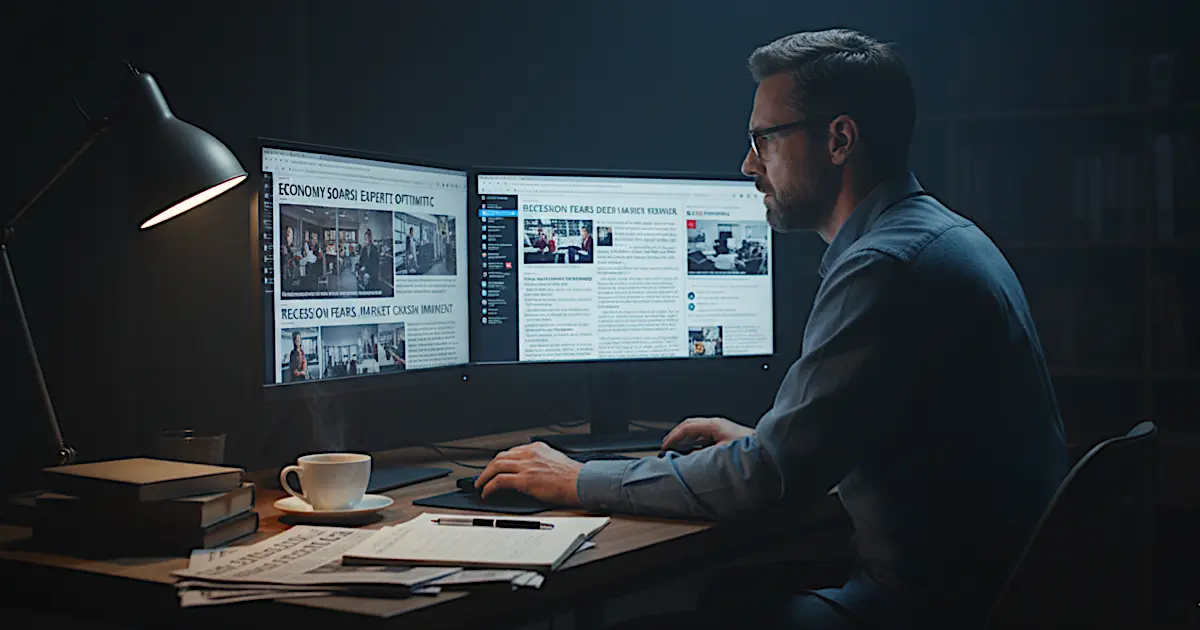
Truth used to be something we searched for. Now it feels like something we’re handed, neatly packaged, pre-approved, and ready for sharing.
Everyone claims to have the facts, yet no one seems sure what’s real anymore. This piece isn’t about taking sides, it’s about asking why every side seems to be lying and what that’s doing to all of us.
I’ve thought long and hard about this. In fact, before editing it down, I was at over 4,000 words which is way longer than most people would read these days.
Part One: The Death of Truth
Whatever the issue these days – war, politics, race, gender, or public health – the truth often doesn’t even make it to the starting line. It’s already been chewed up, repackaged, and sold back to us before we’ve had a chance to think for ourselves.
What’s that saying about truth and lies?
A lie has travelled the world before the truth has even got its pants on.
Every event now comes with an approved version of reality, complete with its own hashtags, flags, and moral instruction leaflet.
During 2020 and 2021, we were told what to think, who to thank, and who to blame – oh, and who to believe. Science became politics, and politics became entertainment. If you questioned anything, even mildly, you were branded selfish, ignorant, or dangerous. “Trust the experts,” they said, while silencing the ones who disagreed.
It wasn’t about finding truth. It was about enforcing one.
Then came the next wave of moral crusades. BLM. Woke culture. Gender politics. Each began with legitimate points worth discussing but quickly descended into team sports. The nuance vanished. The moment you hesitated to agree with every word, you were painted as the enemy.
Debate used to mean listening and questioning. Now it means waiting for your turn to be accused of something.
Ukraine and Gaza are the same story, just with more body bags. The world picks sides like it’s a football match, waving flags and sharing graphics, while journalists report from hotel balconies and governments decide which version of “freedom” we’re allowed to cheer for this week.
It’s not truth we’re consuming – it’s propaganda and for many it is consumed for breakfast, lunch, and dinner.
Every side claims moral superiority. Every side has its own facts. And if you dare to suggest both sides might be lying, you’re accused of not caring, of moral weakness, or worse, of “misinformation.”
It’s madness. The death of truth isn’t dramatic or sudden. It’s quiet, casual, and constant.
We’ve stopped asking why something is happening and started asking who told us about it. And that’s the real tragedy. Because the moment truth depends on who’s saying it, it stops being truth at all.
Part Two: The Machinery Behind It
This isn’t a grand conspiracy with secret handshakes in smoky rooms. It’s worse. It’s obvious, open, and we’ve all just accepted it. The people who own the information own the narrative. Governments, media companies, tech giants, and corporate sponsors all pull at the same strings, shaping what you see, what you hear, and what you’re told to believe.
Take the media. Once upon a time, journalists dug for truth. Now they dig for clicks. Newspapers used to challenge power. Now they sell it. The BBC, Sky, CNN, Fox, all read from different scripts, all pretend to be “balanced.” They don’t report reality; they curate it.
You don’t get news anymore, you get content that fits the bias of the audience they’ve cultivated.
Social media made it worse. Algorithms have replaced editors, feeding you what keeps you scrolling; anger, fear, and outrage. Not because it’s true, but because it keeps you engaged – and it makes great clickbait. The platforms don’t care what side you’re on as long as you stay fighting.
While you argue in the comments, they count the ad revenue.
Governments call it fighting “misinformation,” but what they really mean is controlling the narrative. Censorship dressed as safety. Remember how posts questioning lockdowns or vaccine policies were wiped off platforms, only for some of those same “conspiracy theories” to quietly turn out not so crazy later on? By then, the damage was done – people had already picked their side and probably fallen out with friends and family along the way.
The machinery isn’t built to inform; it’s built to influence. It rewards obedience, punishes curiosity, and drowns everything in noise. And behind it all, the same handful of corporations control the lot; the platforms, the papers, the advertisers, even the “fact-checkers.”
Yes, even the “fact checkers”.
It’s like a magician telling you where to look while they steal your watch.
Truth doesn’t stand a chance in that environment. Not because it isn’t there, but because it doesn’t sell.
Part Three: The Personal Cost of Being Lied To
All this manipulation isn’t just an abstract idea floating around in the background. It gets personal. It’s in our homes, our friendships, our families. It’s in the awkward silences when someone says the wrong thing, and suddenly the air goes cold.
The years since 2020 have broken more relationships than most people realise. Families fell out over lockdown rules. Friends split over masks or vaccines. Neighbours stopped talking because they voted differently or shared the “wrong” post online. People lost their jobs!
You could see it everywhere; the quiet tension, the side-eye at the supermarket, the unspoken question of which camp you were in.
We’re not just divided; we’re exhausted. Every topic feels like a test. Say too little and you’re accused of apathy. Say too much and you’re branded extreme. It’s no wonder people have stopped speaking up. Most just want a quiet life, to keep their head down, pay the bills, and not get dragged into another shouting match about who’s right or wrong.
But silence is exactly what the system thrives on.
The less we question, the easier it is to control us.
Look at social media again. Billions of people glued to screens, arguing about headlines written to wind them up. Meanwhile, the real decisions – the ones that actually shape lives, laws, wars, and freedoms – happen behind closed doors, far from the chaos they’ve engineered.
And while we’re distracted, trust evaporates. Nobody knows what’s real anymore. You can’t trust the press. You can’t trust politicians. Half the time you can’t even trust your friends’ judgement because everyone’s been spoon-fed a different version of reality.
It’s like we’re all living in separate worlds stitched together by outrage and algorithms.
That’s the personal cost. The slow erosion of connection, empathy, and truth. We used to have arguments and move on – maybe slam a phone down, bang a door or two, not talk for a couple of days. Now we cancel, block, and retreat into echo chambers where everyone agrees with us.
It’s not progress; it’s emotional isolation dressed up as moral virtue.
So no, you don’t have to pick a side in every bloody issue. Sometimes the smartest thing you can do is say, “I don’t know,” and start looking for the truth yourself. Not the one that’s trending, not the one they want you to believe. Find your truth, built from what you’ve read, seen, and thought about for yourself.
Because if you hand over your ability to think, you’ve already lost the war – and they didn’t even have to fire a shot.
Closing Thoughts: Finding Truth in the Noise
Maybe truth was never simple. Maybe it’s always been filtered, twisted, and dressed up to suit whoever’s shouting the loudest. The difference now is scale. Lies travel faster, louder, and reach every pocket of the planet in seconds.
We’ve built a world where truth has to fight for attention, and the fight’s not fair. The loudest voices win, not the most honest ones. The people who think for themselves get labelled as troublemakers, while the ones parroting headlines get called informed. It’s upside down.
But the more you step back, the clearer it becomes. The patterns repeat. Every new crisis feels familiar because it’s the same machinery grinding on, powered by fear, outrage, and distraction. They want us too tired to care, too divided to notice, and too busy arguing to realise how manipulated we’ve become.
The real act of rebellion now isn’t shouting louder. It’s refusing to be programmed. It’s listening, reading, questioning, and thinking – properly thinking – before forming an opinion. It’s being humble enough to say, “I don’t know,” and brave enough to change your mind when the facts shift.
Truth isn’t handed to you anymore. You have to go digging for it, and half the time you’ll get your hands dirty doing it. But it’s worth it. Because the moment you stop chasing truth, someone else starts writing it for you.
And that, right there, is the first war we lose – the war on truth.
Questions People Are Asking About Truth, Media and Manipulation
Why Do So Many People Believe Fake News Even When It’s Obviously Biased?
Because people trust what fits their beliefs. Social media feeds them more of the same and rewards outrage – once emotion takes over, logic doesn’t stand a chance.
Isn’t It Better to Just Trust Official Sources Like Governments or Mainstream Media?
Not blindly. Even official sources get things wrong, sometimes on purpose. Always check multiple outlets and ask who benefits from the story being told.
Why Does Social Media Make Everything Feel More Divided?
Because division drives engagement. Algorithms reward anger and outrage — calm, thoughtful people don’t scroll as much, and that costs platforms money.
How Can I Tell What’s True Anymore When Everything Contradicts Itself?
You can’t, at least not right away. Slow down, look at how information is framed, and notice what it’s trying to make you feel. If it’s emotional, it’s probably manipulative.
Why Do People Get So Hostile When You Question a Popular Narrative?
Because doubt feels like betrayal. Many people tie their identity to causes or political tribes, so questioning them feels like questioning who they are.
Is the Internet Killing Critical Thinking?
Not killing it — just drowning it in noise. The tools to learn are there, but they’re buried under clickbait and propaganda. You have to dig for truth now.
Can We Ever Get Back to Real Journalism?
Only if people reward honesty over drama. That means paying for real reporting, ignoring outrage bait, and refusing to share unverified rubbish.