
Freemium broke my trust long before AI ever had the chance.
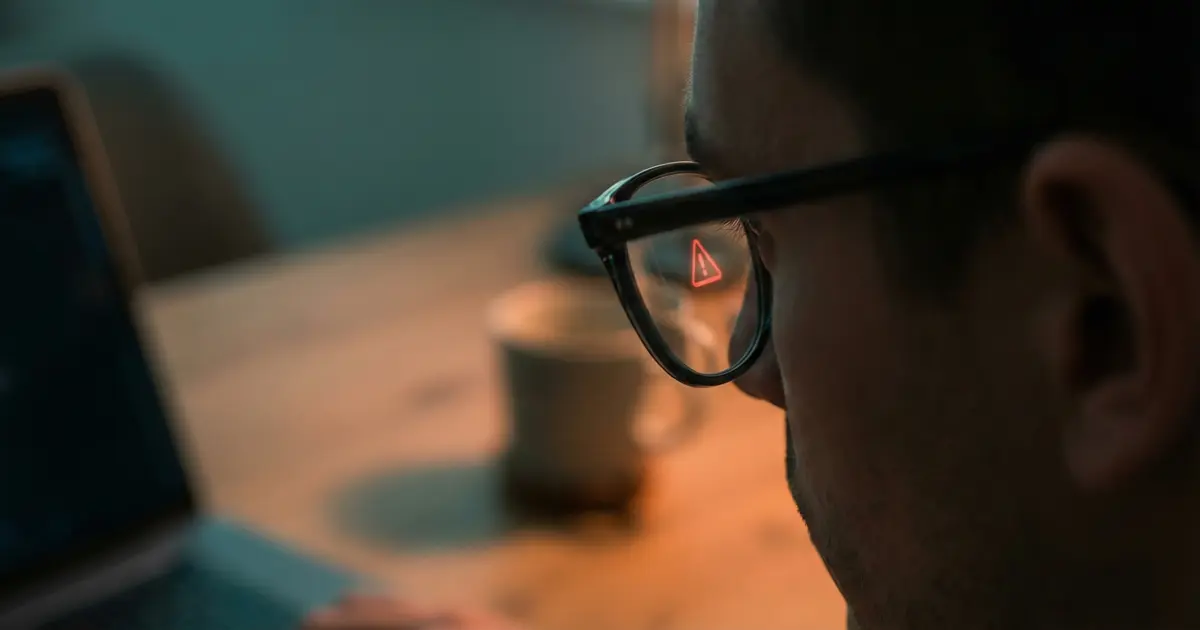
A client messages me in a panic. Their WordPress site is apparently under “security risk”. Red badge, urgent tone, classic drama.
The culprit? A freemium security plugin they’d installed themselves. It fires off an instant alert… then refuses to show what it’s actually found unless you upgrade to Pro.
No details. No evidence. Just “pay to see the problem”.
That, right there, is why I don’t trust freemium.
The fake comfort of “free”
I’m not against paying. I rarely use free plugins. I pay for decent hosting that includes malware and security checks. I’ve spent thirty years building, fixing, and maintaining sites, and funnily enough, the stuff I pay properly for tends to work.
What I don’t trust is this neat little pattern that has infected half the web:
- Lure people in with “free”.
- Withhold something basic, like a clear error message or full scan result.
- Create anxiety, then offer a paid escape hatch.
This isn’t an accident. Product people write playbooks about “upgrade moments” and “monetisation triggers”, where users feel blocked, worried, or stuck, and the only obvious way out is to put in card details.
Freemium isn’t the problem on its own. The manipulation wrapped around it is.
When “security” becomes a sales tactic
Back to that plugin.
If a security tool genuinely cares about protecting a site, the first responsibility is simple: tell the truth. Show what you found. Path, file, plugin, rule, CVE, anything.
Hiding the details behind a paywall turns security into theatre:
- It doesn’t say “we’ve detected suspicious code in X.php, here’s the line, here are your options”.
- It says “there might be a risk; better upgrade if you care about your business”.
That’s not protection. That’s emotional blackmail.
And it’s everywhere now. UX researchers and legal folks have been quietly documenting this under the label “dark patterns”: confusing UI, misleading alerts, pre-ticked boxes, and paywalls around core information, all nudging people into choices they didn’t consciously make.
Freemium security plugins are just the security-flavoured version of the same game.
Honest freemium vs manipulative freemium
Freemium itself can be fine, if it behaves like a demo and not like a mugging.
Honest freemium looks like this:
- The free tier is actually usable on its own.
- Limits are clear: you know what you’re not getting.
- When something goes wrong, the tool tells you what is wrong, even if the slick one-click fix is a paid feature.
Manipulative freemium looks like this:
- The free version generates fear or friction, then hides the key information.
- Critical details, like the nature of a “security risk”, sit behind a paywall.
- The UX leans on urgency, red badges, and big CTA buttons, instead of clarity and control.
Both models charge money. One respects your agency. The other tries to scare it out of you.
Guess which one I’ll happily pay for.
Why my cynicism is staying
People would be right to say “pay to play, mate” when it comes to security. Real security costs money. Good hosting, regular updates, proper isolation, monitored backups, sane plugin choices, minimal bloat – that’s the unglamorous stuff that actually keeps sites safe.
But that’s the key difference: I pay for security. I’m not paying because a freemium widget screamed at a non-technical client and refused to back up the accusation without a subscription.
If a tool finds a problem and shows me enough detail to verify it, I might pay for help fixing it. If a tool finds a “problem” and hides the detail behind a paywall, I assume the problem is the tool.
Freemium taught me that.