
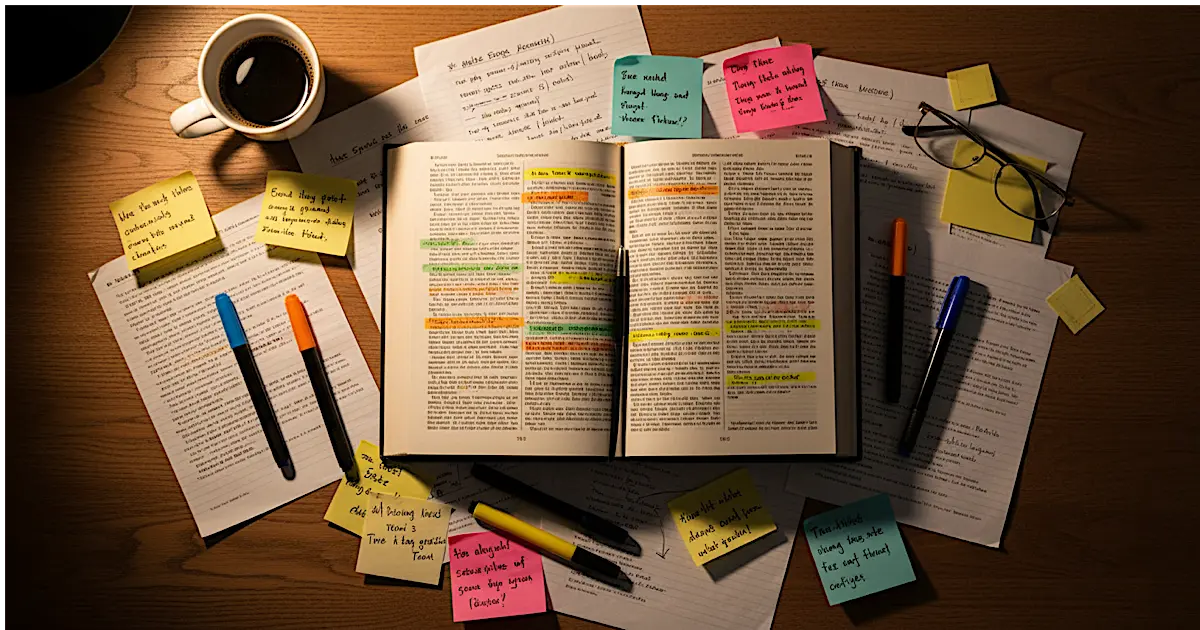
I was recently asked “Why Are Your Articles So Long?”
It’s a blooming good question.
Short answer: because they need to be.
I research. Properly. I don’t throw half-baked opinions into the void and call it content. I build context, ask awkward questions, dig for angles that don’t fit the usual narrative, and refuse to cut corners just because everyone else is churning out a lot of regurgitated trash. Well, not everyone but you know what I mean.
I’m not chasing revenue or a viral hit! I write because I love to learn about things I have an opinion about and, well, I love to write. I always have
Yes, most of my articles are long. Longer than the norm but I’ve seen many that are much longer.
A decent documentary is long. So is a proper debate. So is any book worth reading. Length isn’t the problem – shallow thinking is.
The 20-Second Soundbite Problem
We’ve trained ourselves to expect instant answers. Quick takes. Bite-sized dopamine hits. The trouble is, most things worth understanding don’t fit into a 30 second TikTok video.
Reality is messy. Context matters. Nuance exists, even if social media algorithms pretend it doesn’t.
When I write about something, I’m not looking to go viral or rack up ad revenue.
I’m trying to actually understand something and help you do the same.
That takes more than a catchy headline and three bullet points.
Why Written Content Still Wins
Here’s what you can do with a long-form article that you can’t do with a podcast or YouTube video:
- Read at your own pace
- Scroll back when something needs a second look
- Bookmark specific sections
- Highlight passages that matter
- Screenshot bits you want to keep
- Skim the parts you already know
- Deep-dive into the bits you don’t
Try doing that with a 40-minute video. You’ll spend half your time scrubbing through the timeline looking for that one point you wanted to revisit.
It’s Not About Length – It’s About Depth
I’m not writing long articles to pad word counts or game some algorithm. Yes, I want my words to be found and read but I write them this way because the topics I cover deserve more than surface-level treatment.
When I research something,
- I find new layers,
- additional angles I hadn’t thought of.
- I come across counterarguments, and
- often there’s context that changes how I see the bigger picture.
Cutting that out to hit some arbitrary word count would be doing you, and the topic, a disservice. Cutting all that out would be just writing a blog for the sake of the almighty algorithm.
If you want quick takes and hot opinions, social media’s got you covered. If you want something that actually makes you think, stick around.
The length is a feature, not a bug.
Curiosity Unpacked with some Questions
Why Are Your Articles Longer Than Most Blog Posts?
Longer articles allow for proper research, deeper insights, and a better exploration of complex topics. Quick posts rarely provide more than a surface-level take, but thorough articles add real value.
Can I Get the Core Message Without Reading the Whole Piece?
You can, since each section is clearly structured to allow for scanning and picking out key ideas. However, reading the full article gives you a richer understanding and more context.
Do People Actually Read Lengthy Articles Today?
Many do, especially those who want more than a clickbait summary. Readers who value well-sourced insights and context prefer longer content that respects their intelligence.
How Do You Make Long Articles Readable and Not Overwhelming?
Every article is broken into sections with clear headings, spaced paragraphs, and lists to make it easy to scan. This lets readers dip in and out or jump straight to what interests them most.
Isn’t Short Content Better for SEO and Going Viral?
Short content might trend faster, but in-depth articles build trust, establish authority, and keep people coming back over time. They’re written for actual readers, not search engines.
Why Not Do a Podcast or YouTube Channel Instead?
Written content offers flexibility: you can read at your own pace, revisit points, highlight bits, and reflect without distraction. It puts you in control, which is harder with audio or video formats.
Do You Write for Clicks or Revenue?
No, the focus is on honest research and open discussion, not chasing trends for quick clicks or ad income. The aim is to challenge ideas, not to chase algorithms.